Key Takeaways
- Choose complete proteins to support repair and growth
- Combine plant and animal sources for balance
- Aim for protein at every meal
- Pair protein with carbs and vegetables
Why Protein Is Essential for Muscle Growth
Protein is the foundation of muscle growth and recovery. When you exercise, especially with resistance training, your muscle fibers undergo small amounts of damage. Protein provides the amino acids your body uses to repair and rebuild stronger.
Top Animal-Based Protein Choices
Animal-based protein sources like chicken, turkey, lean beef, eggs, Greek yogurt, and fish offer complete amino acid profiles, which makes them especially effective for supporting muscle repair and growth.
Powerful Plant-Based Protein Sources
Plant-based protein sources such as lentils, chickpeas, beans, tofu, tempeh, quinoa, and edamame are rich in protein and come with fibre, vitamins, and minerals. Combining different plant proteins throughout the day helps ensure you get a broad spectrum of amino acids.
How Much Protein Do You Need?
Most active adults can benefit from consuming around 1.4 to 2.0 grams of protein per kilogram of body weight per day. Athletes and people focused on muscle growth often aim for the higher end of that range.
High-Protein Meals for Busy Days
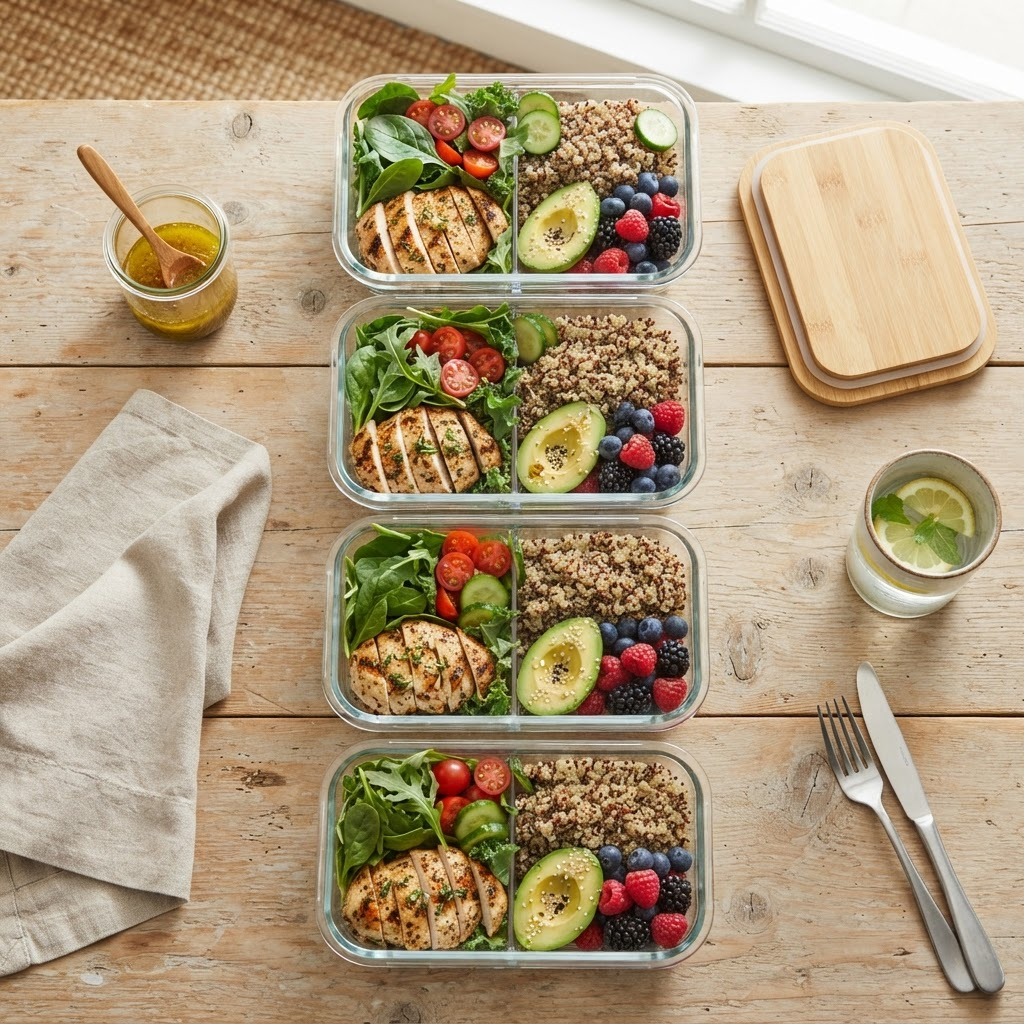
Easy high-protein meals include scrambled eggs with spinach and whole grain toast, a chicken and vegetable stir-fry, a lentil and quinoa salad, or cottage cheese with berries and nuts.
Protein Timing and Recovery
Protein timing also matters. Eating a protein-rich meal or snack within two hours after a workout supports recovery. Spreading protein evenly across meals helps maintain a steady supply of amino acids to your muscles.
Building a Balanced Plate
Balance matters. Pair your protein with complex carbohydrates like brown rice, sweet potatoes, or whole grain bread, plus vegetables and healthy fats. This approach supports energy, digestion, and consistent metabolism.
Protein Myths and Facts
A common myth is that more protein always means more muscle. While protein is essential, total calories, training stimulus, and recovery are also critical. Eating excess protein without enough movement or calories control can still lead to weight gain.
Stay consistent and choose protein sources you enjoy. Whether you prefer animal, plant, or a mix, regular protein intake combined with strength training is the smartest strategy for growth.
Frequently Asked Questions
Can I build muscle without protein powder?
Yes. Whole foods like lean meats, dairy, beans, and tofu can provide all the protein you need.
Is more protein always better?
More protein can be helpful up to a point, but very high intakes are unnecessary for most people and should be balanced with other nutrients.
How much protein should I eat before a workout?
A modest protein-rich snack 1 to 2 hours before training can help support energy and muscle maintenance.
Do I need to eat animal protein to gain muscle?
No. Plant proteins can support muscle growth if you eat enough and vary your sources.